




Why is there an increasing need for rapid quantitative loading stations at coal mines and bulk material terminals?
In the bulk material transport sector, “efficiency” is emerging as a core metric of corporate competitiveness. Whether operating coal mines, cement plants, or bulk cargo terminals, enterprises face a multitude of challenges—including rising transport volumes, increasingly stringent environmental regulations, escalating labor costs, and the need for intelligent upgrades. Traditional loading methods are no longer sufficient to meet the modern industrial demand for efficiency, precision, and eco-friendliness.
Against this backdrop, rapid quantitative loading stations have become vital equipment across industries handling bulk materials such as coal, clinker, and grain. An increasing number of enterprises are deploying intelligent rapid loading systems to boost loading efficiency, reduce operating costs, and achieve unmanned, digitalized management.
Traditional loading methods are becoming obsolete
In the past, many coal mines and terminals relied on manual or semi-automated loading systems. While these methods required lower initial investment, their drawbacks have become increasingly apparent as the industry has scaled up.
Given today’s high labor costs and stringent environmental regulations, this model is no longer sustainable:
Efficiency Bottlenecks: Manual operations are slow, leading to severe congestion of railcars at ports and stations and extremely low logistics turnover rates.
Cost Pitfalls: Each train requires a large workforce—including operators, coal-leveling personnel, and weighers—resulting in exorbitant labor costs.
Environmental Liabilities: Open-air loading generates significant dust, causing material loss and violating critical environmental standards.
Why have rapid quantitative loading stations become the new industry standard?
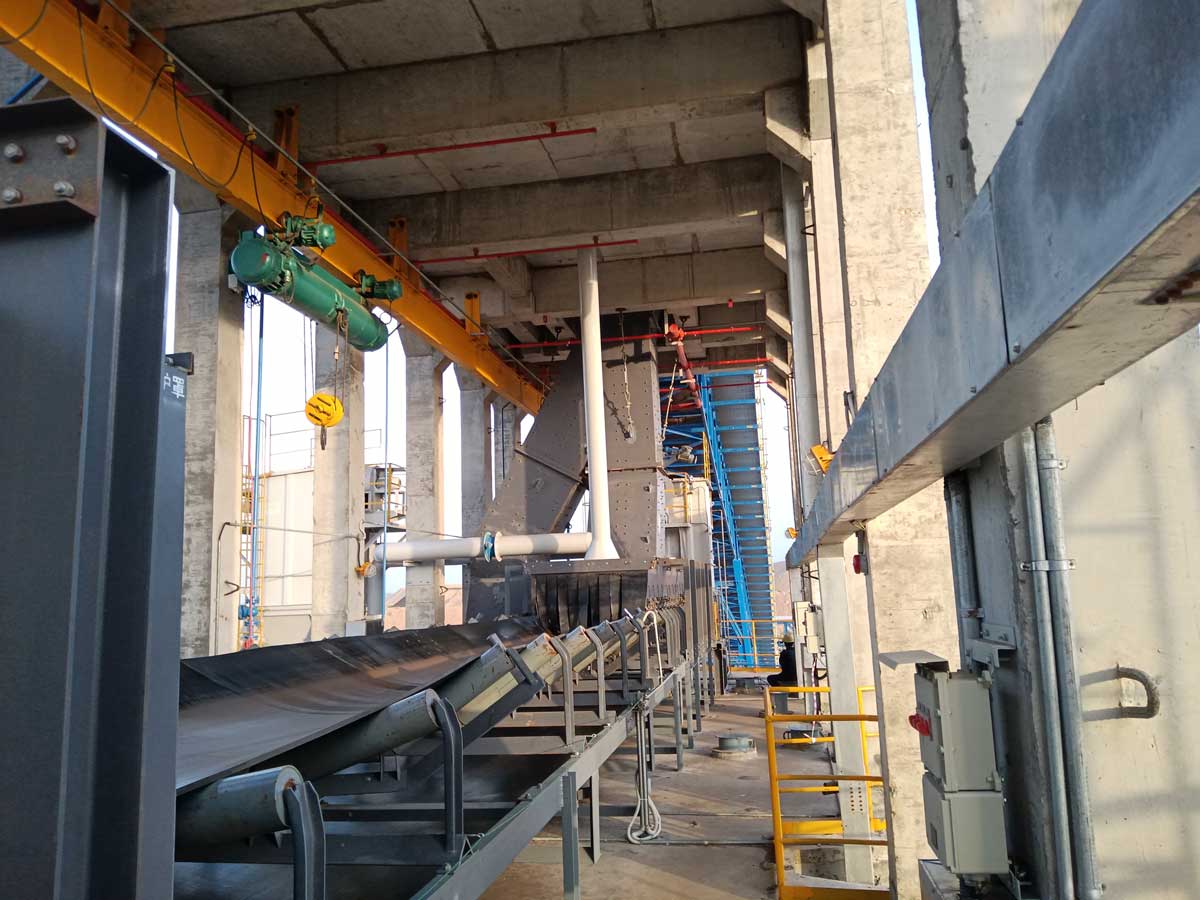
A rapid quantitative loading station is a modern loading system that integrates automatic weighing, quantitative feeding, intelligent control, data management, and eco-friendly dust removal.
Compared to traditional loading methods, its key characteristics are speed, accuracy, stability, and intelligence. It enables automatic vehicle identification, automated weighing and measurement, high-speed and precise loading, automatic data uploading, and unmanned operation. Currently, rapid quantitative loading stations are widely used across industries such as coal mining, steel manufacturing, power generation, and bulk material terminals.
A Win-Win for the Environment and the Economy
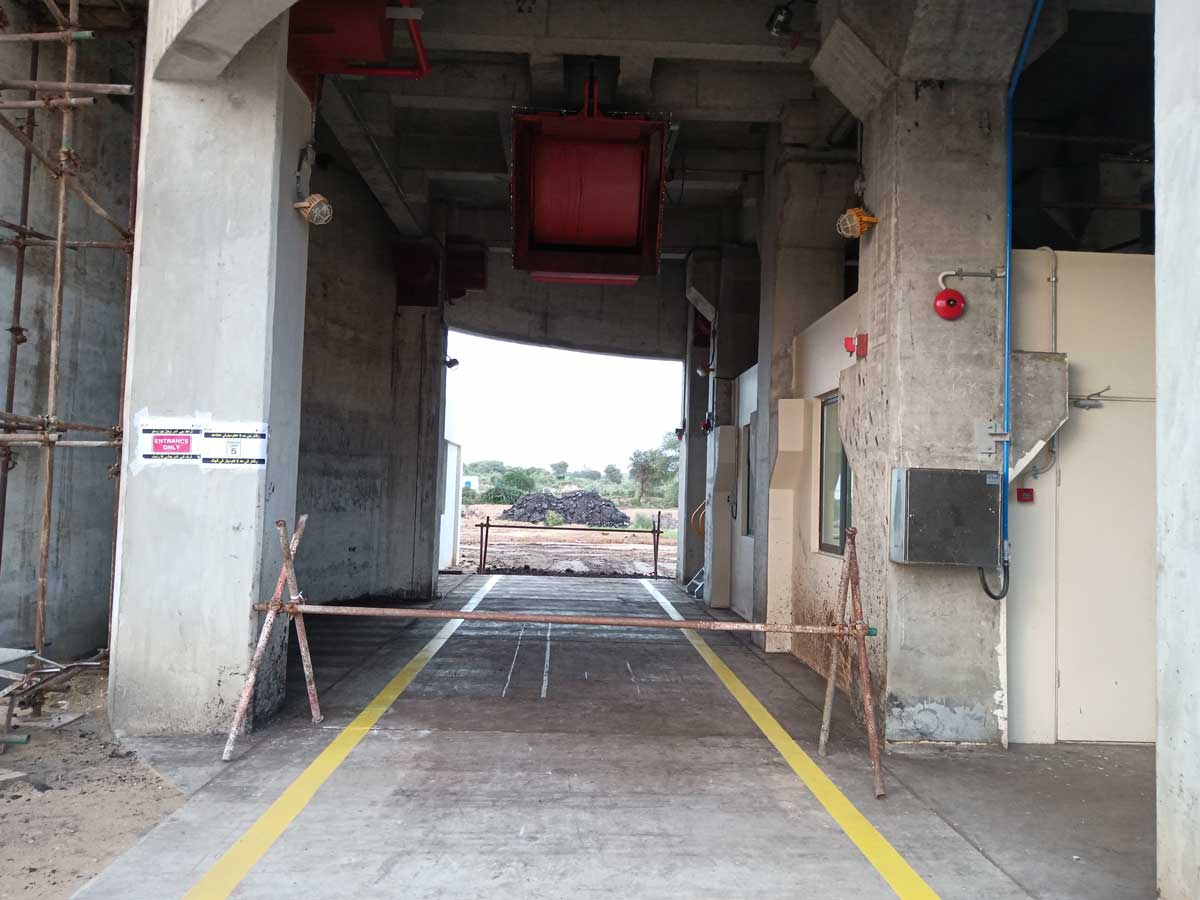
Under the “dual carbon” goals, environmental compliance determines whether an enterprise is granted a production permit. Modern, high-speed quantitative loading stations feature fully enclosed steel-structure weather shelters and high-efficiency dust removal systems. The entire process—from the moment coal enters the buffer hopper to when it drops into the railcars—takes place within a sealed environment. Once loading is complete, the system automatically sprays a dust suppressant that forms a hard crust on the coal surface, preventing spillage and airborne dust during transport.
This design not only addresses the urgent need to meet environmental inspection standards but also directly reduces material loss.
Industry-Wide Coverage: Not Just for the Coal Sector
While the coal industry has been the vanguard for the application of rapid loading stations, the technological benefits are rapidly extending to other sectors of bulk material logistics. The system’s core attributes—speed, precision, containment, and intelligence—are applicable to virtually any industrial scenario requiring the handling of bulk materials.
Bulk Material Terminals: Overcoming the “Last Mile” Bottleneck in Rail-Water Intermodal Transport
Ports serve as critical nodes in the logistics chain, where loading and unloading efficiency directly dictates the turnover speed of the entire supply chain. Traditional port loading operations, however, often rely on wheel loaders or basic conveyor belts, resulting in slow loading speeds, severe railcar congestion, and significant dust pollution.
Rapid quantitative loading stations offer a key solution to this bottleneck. At large bulk material terminals, integrating advanced weighing and loading technology with existing port automation systems enables seamless transfer from storage yards to trains or vessels. By utilizing high-capacity buffer silos and efficient feeding systems, the loading time per railcar can be reduced to under one minute, drastically cutting the total loading time for an entire train from hours to a fraction of that duration. This leap in efficiency translates directly into increased terminal throughput; the same berths and storage yards can handle a higher volume of railcars and vessels within a given timeframe, thereby significantly reducing dwell times and accelerating capital turnover. Furthermore, the fully enclosed loading system and integrated dust suppression measures provide the port with robust technical capabilities to meet increasingly stringent environmental regulations.
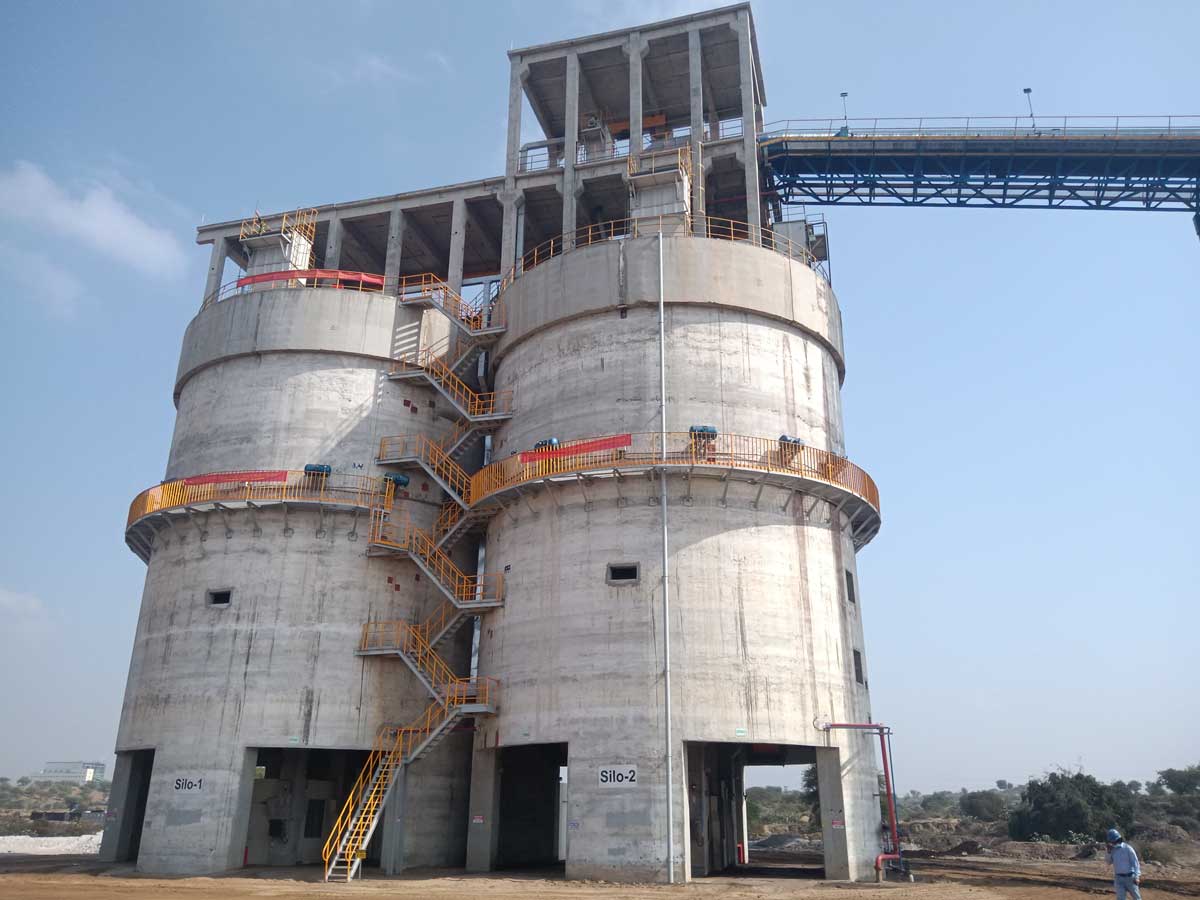
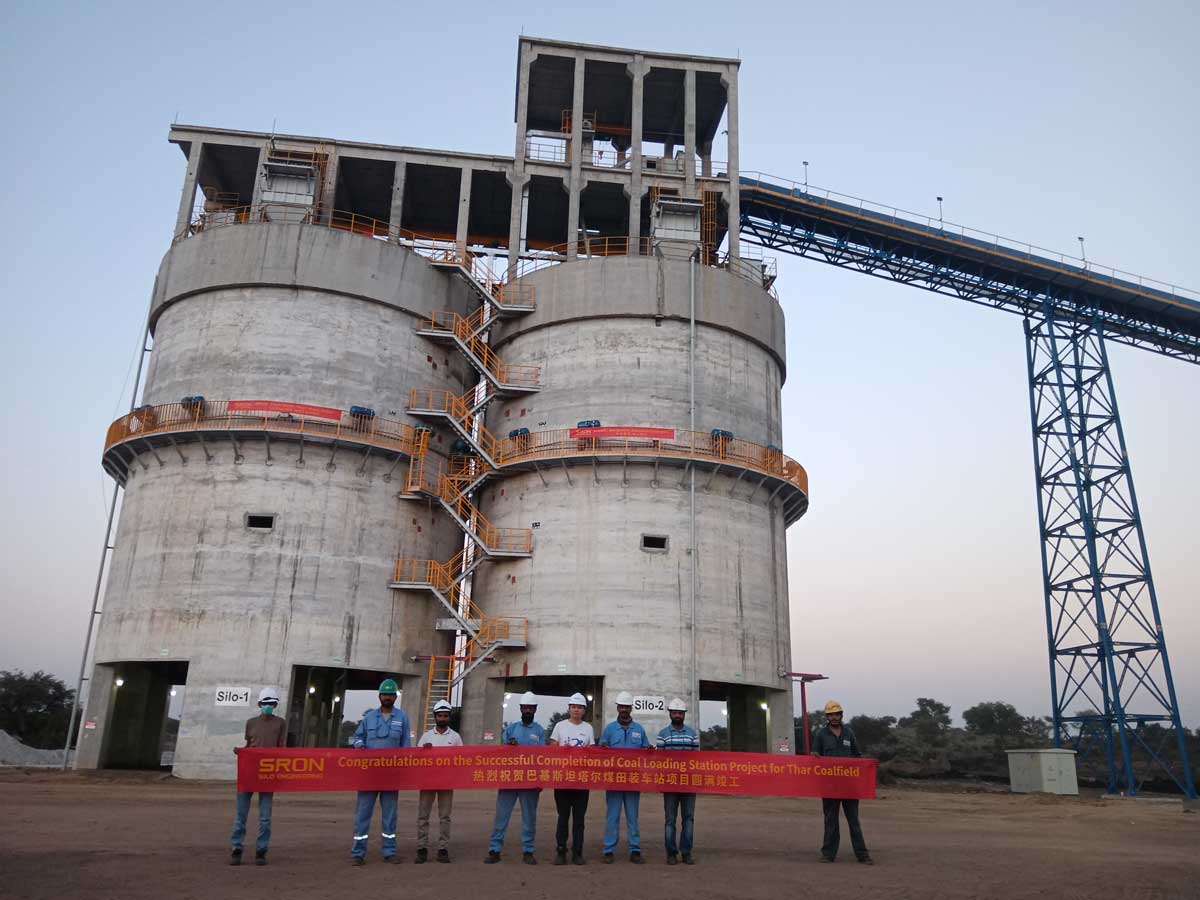
One of our projects—Pakistan Truck Loading Station Project—encompasses fully enclosed silo-to-railcar conveyor systems, enclosed coal storage silos, and quantitative loading systems. It features unmanned, automated, and dust-free loading capabilities managed by a centralized control system. The project site faces harsh environmental conditions, including strong winds and sandstorms, and is located in a zone with a seismic intensity rating of 8.5, necessitating exceptional structural seismic performance. To address these challenges, our project team engaged in extensive consultation with the client to develop a scientifically sound and practical design, ensuring the project’s successful implementation. This closed-loop design not only enhances efficiency but also technically eliminates the possibility of human intervention; by effectively preventing unauthorized cross-regional sales and measurement fraud, it establishes a digital line of defense for corporate risk management.
As industrial logistics continue to evolve, traditional loading methods are struggling to meet the demands of modern production. Rapid, quantitative loading stations—whether for coal mines, cement facilities, or bulk material terminals—are becoming a key focus for the intelligent upgrading of the bulk materials industry. These systems not only boost loading efficiency and reduce operating costs but also enable enterprises to meet environmental standards, implement digital management, and achieve unmanned operations. Looking ahead, the first to successfully upgrade to intelligent loading systems will be best positioned to gain a competitive edge in a fierce market.