
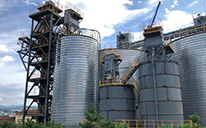
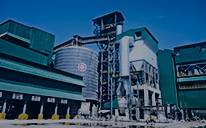





Introduction to Spiral Steel Silos
With the rapid development of the cement, fly ash, grain, and mineral storage and transportation industries, innovation in construction technology has become a crucial means to improve project efficiency and economic benefits. Among numerous new storage and transportation equipment, spiral steel silos are gradually becoming the industry’s first choice due to their advanced construction technology, excellent structural performance, and economic benefits. This article will systematically introduce spiral steel silos from multiple aspects, including technical principles, construction methods, advantages, and application cases, providing a reference for enterprises in steel silo selection and construction.
Steel silos were first used for grain storage. In the early 20th century, silos were constructed using 6-12 mm thick steel plates riveted together, resulting in a relatively simple structure. With the maturity of welding technology, the thickness of steel plates gradually decreased to 4-12 mm, and the adoption of welding processes improved construction efficiency and silo stability. In 1968, the German company Lipp introduced spiral double-layer rolled edge technology, realizing the first industrialized construction of spiral steel silos. This technology, through a continuous spiral interlocking rib design, enables the silo body to still possess excellent circumferential tensile strength and radial pressure resistance even with a thickness of only 3-4 mm. It has high material utilization, reliable strength, and no leakage problems.
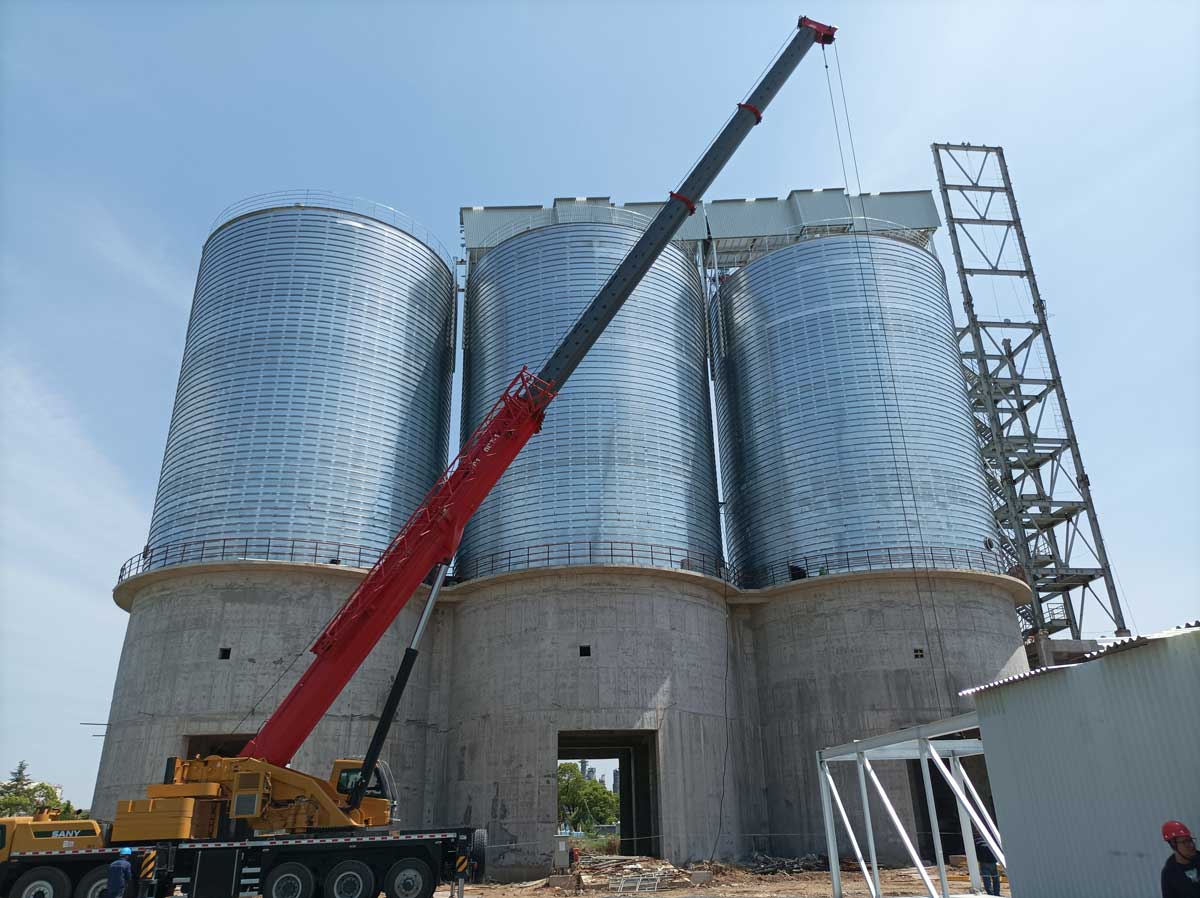
Spiral steel silos utilize advanced technology and equipment imported from Germany, forming the silo body through mechanized continuous rolling. The construction process is as follows:
1. Material Uncoiling: A 495mm wide coil is uncoiled using an uncoiling machine.
2. Preliminary Forming: A forming machine bends and pre-processes the upper and lower edges of the sheet metal, simultaneously bending it to the required curvature for the silo.
3. Spiral Engaging: An edge-rolling machine engages the sheet metal into continuous spiral ribs 30-40mm wide, simultaneously forming load-bearing ribs.
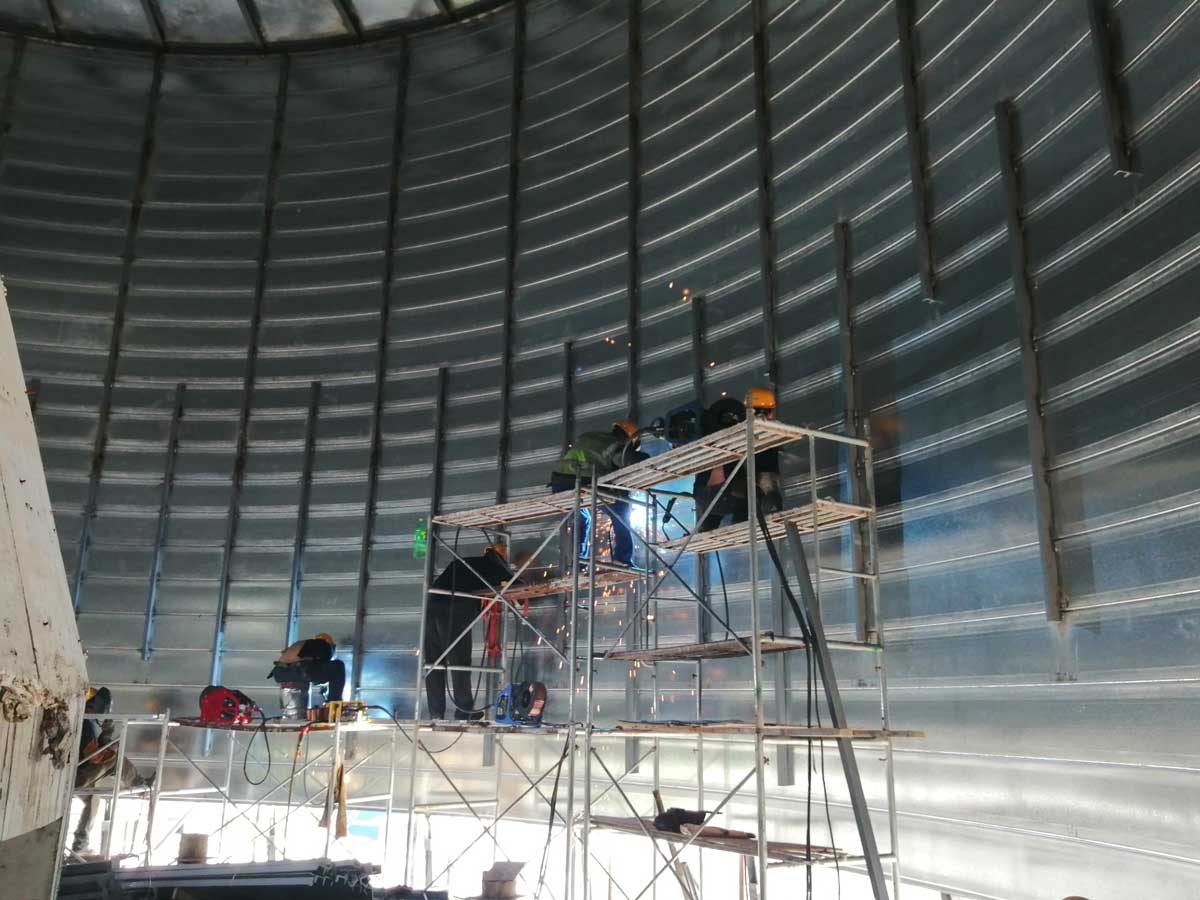
4. Silo Lifting and Column Installation: During the rolling process, columns are installed segment by segment according to the design height to ensure overall stability.
5. Silo Roof and Auxiliary Facility Installation: After the silo body is rolled, auxiliary facilities such as the silo roof, trestle bridge, ladders, and manhole doors are installed to achieve a complete silo structure.
The significant advantages of spiral steel silos lie in their fully mechanized construction, eliminating the need for welding or extensive manual connections. Furthermore, the spiral ribs formed during the rolling process significantly enhance the overall strength and deformation resistance of the silo body.
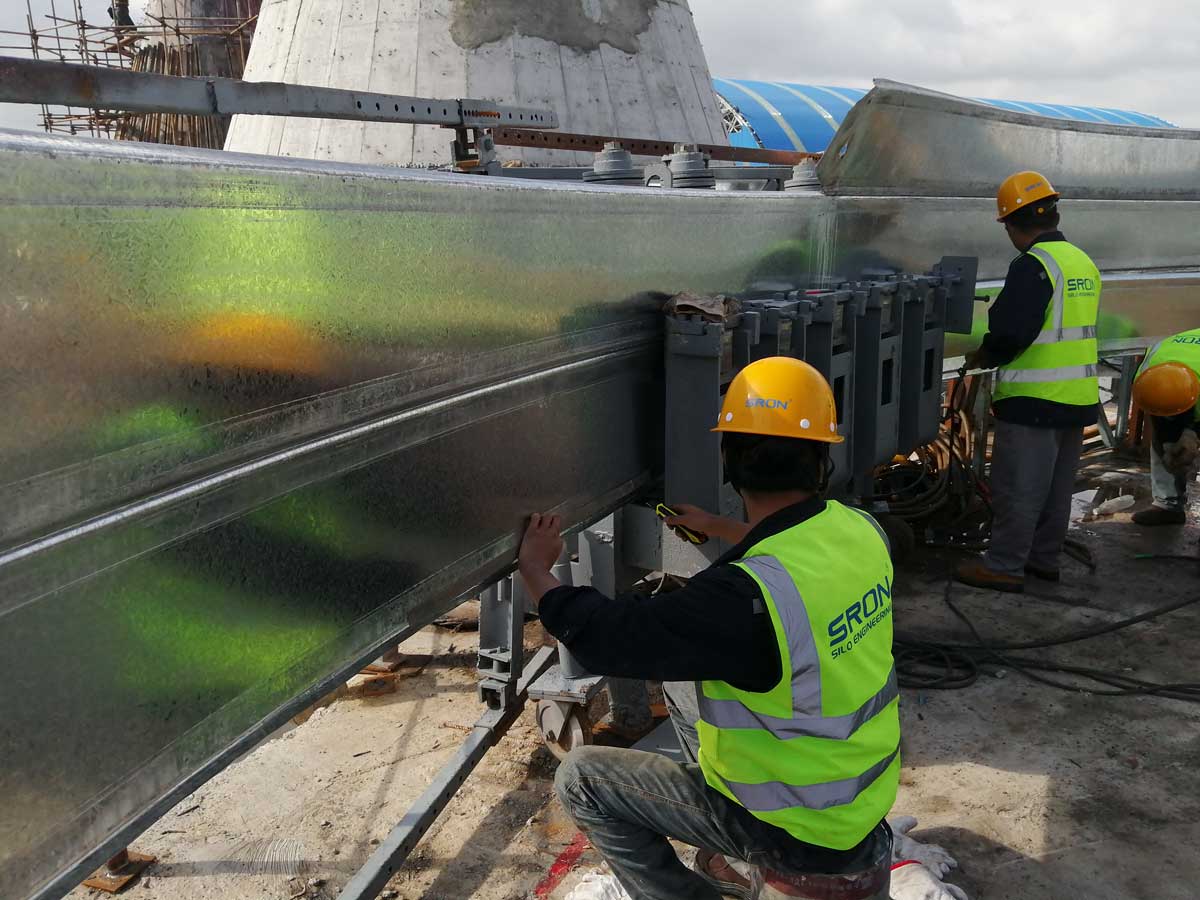
Construction Procedures for Spiral Steel Silos
The construction of spiral steel silos comprises two parts: the main cylinder and auxiliary facilities. The construction process is systematic and efficient, as detailed below:
1. Equipment Positioning: Position the uncoiler, forming machine, and edge-rolling machine according to the silo diameter.
2. Silo Rolling: Roll the cylinder to the initial height using equipment, forming a continuous spiral edge.
3. Silo Top Installation: Prefabricate and install the silo top using cutting equipment.
4. Segmental Lifting and Rolling: Roll the cylinder to the design height while simultaneously installing columns to ensure silo stability.
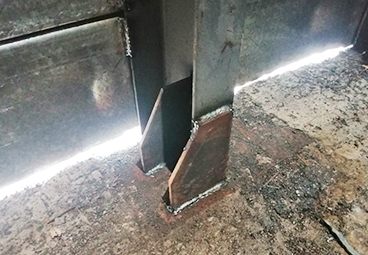
5. Silo Rooting: After rolling, securely connect the silo to the foundation’s embedded parts.
6. Auxiliary Facility Installation: Install trestle bridges, corridors, ladders, and manholes to improve the silo’s operational convenience.
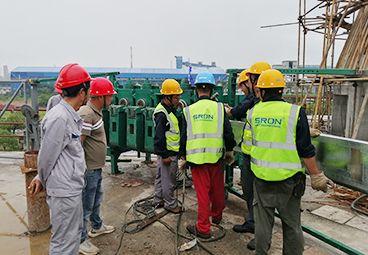
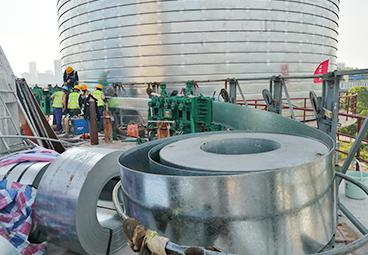
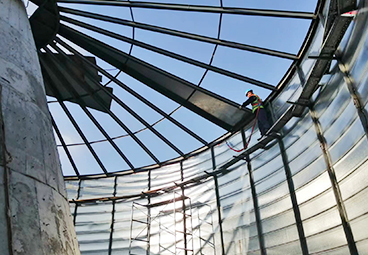
1.Equipment Positioning 2.Rolling 3.Install the silo roof
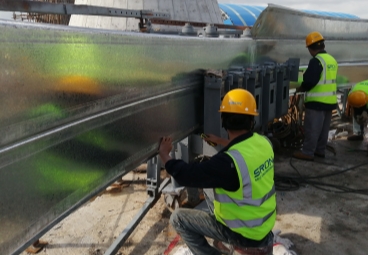
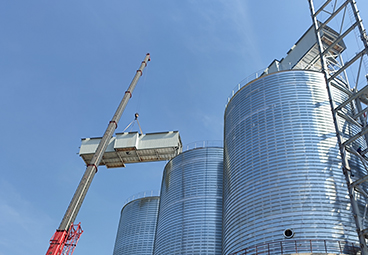
4.Lifting of the silo 5.Rooting the Silo 6.Install Catwalk and Auxiliary Equipment
The entire construction process is highly efficient and automated, achieving a cylinder rolling speed of 5 meters per minute, eliminating the need for scaffolding and significantly shortening the construction period.
Technical Advantages of Spiral Steel Silos
Compared to traditional steel silos, spiral steel silos offer significant advantages in several aspects:
1. Superior Overall Performance: The spiral ribs and column design result in high strength, rigidity, and excellent seismic resistance.
2. Strong Sealing and Airtightness: Mechanized rolling and continuous interlocking ensure leak-free storage of powdery materials such as cement, fly ash, and slag.
3. Short Construction Cycle and Low Cost: The lightweight thin steel plates eliminate the need for large scaffolding during construction, reducing costs and increasing efficiency.
4. Small Footprint and Convenient Management: The silo height and diameter are adjustable, with a minimum spacing of only 500 mm, maximizing space utilization. Automated rolling combined with temperature and level monitoring facilitates management.
5. Adaptability to Various Material Storage: Corrosive materials can be stored using a double-layer bending process, making it widely applicable in cement plants, power plants, grinding stations, and the environmental and chemical industries.
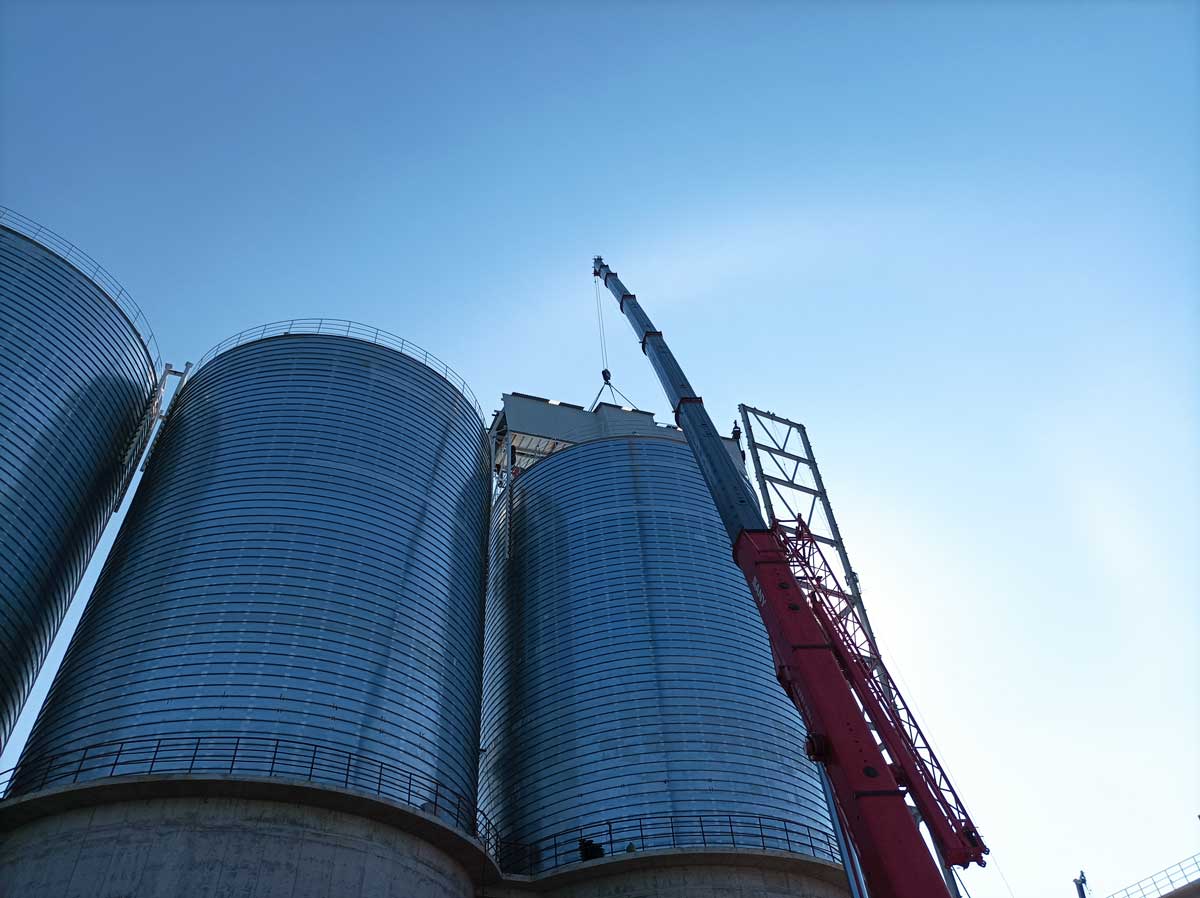
Spiral steel silos, with their mechanized construction, high-strength structure, and excellent sealing performance, demonstrate the advantages of next-generation storage and transportation technology. Whether storing cement, fly ash, slag, or grain and chemical materials, spiral steel silos offer reliable, efficient, and economical solutions. For companies seeking to improve construction efficiency, reduce costs, and enhance storage and transportation management, spiral steel silos are undoubtedly the best choice. As the technology matures and is further promoted, its application areas will expand, driving the entire storage and transportation industry towards intelligent and efficient development.
Steel silos were first used for grain storage. In the early 20th century, silos were constructed using 6-12 mm thick steel plates riveted together, resulting in a relatively simple structure. With the maturity of welding technology, the thickness of steel plates gradually decreased to 4-12 mm, and the adoption of welding processes improved construction efficiency and silo stability. In 1968, the German company Lipp introduced spiral double-layer rolled edge technology, realizing the first industrialized construction of spiral steel silos. This technology, through a continuous spiral interlocking rib design, enables the silo body to still possess excellent circumferential tensile strength and radial pressure resistance even with a thickness of only 3-4 mm. It has high material utilization, reliable strength, and no leakage problems.
Spiral steel silos utilize advanced technology and equipment imported from Germany, forming the silo body through mechanized continuous rolling. The construction process is as follows:
1. Material Uncoiling: A 495mm wide coil is uncoiled using an uncoiling machine.
2. Preliminary Forming: A forming machine bends and pre-processes the upper and lower edges of the sheet metal, simultaneously bending it to the required curvature for the silo.
3. Spiral Engaging: An edge-rolling machine engages the sheet metal into continuous spiral ribs 30-40mm wide, simultaneously forming load-bearing ribs.
4. Silo Lifting and Column Installation: During the rolling process, columns are installed segment by segment according to the design height to ensure overall stability.
5. Silo Roof and Auxiliary Facility Installation: After the silo body is rolled, auxiliary facilities such as the silo roof, trestle bridge, ladders, and manhole doors are installed to achieve a complete silo structure.
The significant advantages of spiral steel silos lie in their fully mechanized construction, eliminating the need for welding or extensive manual connections. Furthermore, the spiral ribs formed during the rolling process significantly enhance the overall strength and deformation resistance of the silo body.
Construction Procedures for Spiral Steel Silos
The construction of spiral steel silos comprises two parts: the main cylinder and auxiliary facilities. The construction process is systematic and efficient, as detailed below:
1. Equipment Positioning: Position the uncoiler, forming machine, and edge-rolling machine according to the silo diameter.
2. Silo Rolling: Roll the cylinder to the initial height using equipment, forming a continuous spiral edge.
3. Silo Top Installation: Prefabricate and install the silo top using cutting equipment.
4. Segmental Lifting and Rolling: Roll the cylinder to the design height while simultaneously installing columns to ensure silo stability.
5. Silo Rooting: After rolling, securely connect the silo to the foundation’s embedded parts.
6. Auxiliary Facility Installation: Install trestle bridges, corridors, ladders, and manholes to improve the silo’s operational convenience.
1.Equipment Positioning 2.Rolling 3.Install the silo roof
4.Lifting of the silo 5.Rooting the Silo 6.Install Catwalk and Auxiliary Equipment
The entire construction process is highly efficient and automated, achieving a cylinder rolling speed of 5 meters per minute, eliminating the need for scaffolding and significantly shortening the construction period.
Technical Advantages of Spiral Steel Silos
Compared to traditional steel silos, spiral steel silos offer significant advantages in several aspects:
1. Superior Overall Performance: The spiral ribs and column design result in high strength, rigidity, and excellent seismic resistance.
2. Strong Sealing and Airtightness: Mechanized rolling and continuous interlocking ensure leak-free storage of powdery materials such as cement, fly ash, and slag.
3. Short Construction Cycle and Low Cost: The lightweight thin steel plates eliminate the need for large scaffolding during construction, reducing costs and increasing efficiency.
4. Small Footprint and Convenient Management: The silo height and diameter are adjustable, with a minimum spacing of only 500 mm, maximizing space utilization. Automated rolling combined with temperature and level monitoring facilitates management.
5. Adaptability to Various Material Storage: Corrosive materials can be stored using a double-layer bending process, making it widely applicable in cement plants, power plants, grinding stations, and the environmental and chemical industries.
Spiral steel silos, with their mechanized construction, high-strength structure, and excellent sealing performance, demonstrate the advantages of next-generation storage and transportation technology. Whether storing cement, fly ash, slag, or grain and chemical materials, spiral steel silos offer reliable, efficient, and economical solutions. For companies seeking to improve construction efficiency, reduce costs, and enhance storage and transportation management, spiral steel silos are undoubtedly the best choice. As the technology matures and is further promoted, its application areas will expand, driving the entire storage and transportation industry towards intelligent and efficient development.