







Why Are Unattended Operation and Centralized Control Becoming Increasingly Important in Industrial Bulk Material Storage Systems?
As the digitalization of industry, intelligent manufacturing, and the development of digital factories continue to advance, the traditional model of bulk material storage—characterized by manual inspections, on-site operations, and decentralized management—is rapidly evolving toward unmanned operation, centralized control, and intelligent management. For coal, ores, grain, building materials, chemical raw materials, and other industrial bulk materials, the storage system is responsible not only for storage, but also directly affects material conveying, inventory management, production coordination, and on-site safety. How to make bulk material storage more stable, efficient, transparent, and traceable has become an important part of the development of smart factories.
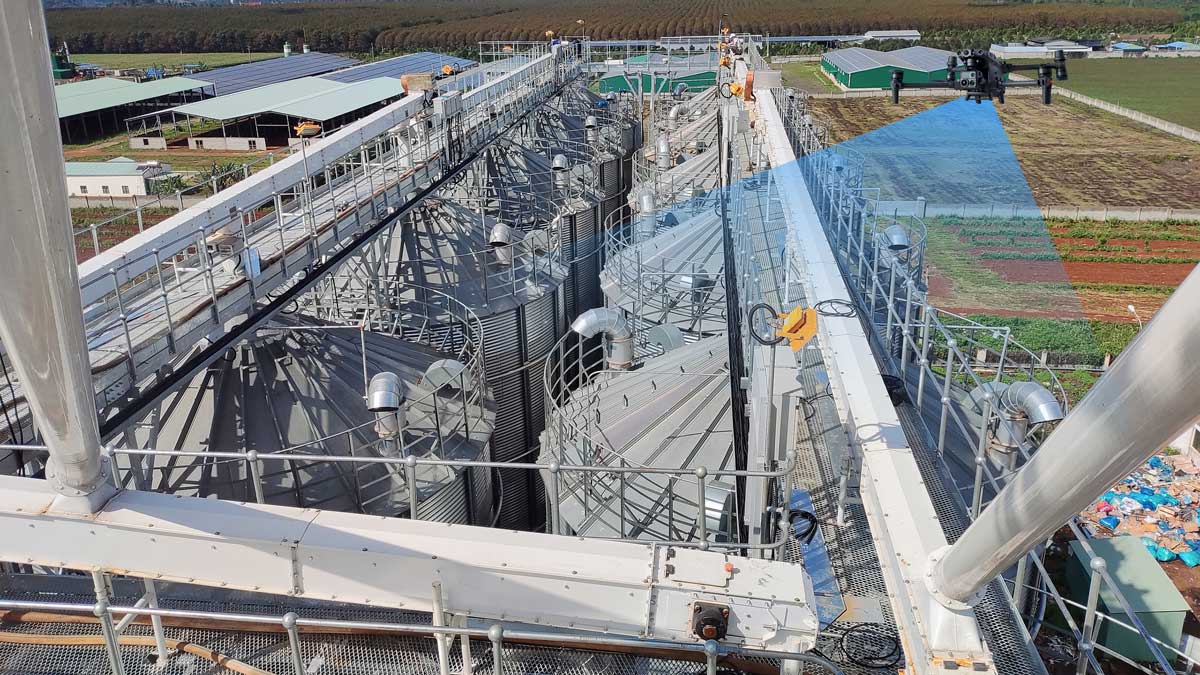
What challenges does traditional bulk material storage management face?
Traditional bulk material storage typically relies on a management model involving decentralized, on-site manual operations. Tasks such as equipment startup and shutdown, material conveying, inventory checks, and abnormal handling often require manual operations; As production scales continue to expand, the limitations of this management approach have become increasingly apparent.
First, there is a heavy reliance on on-site personnel. Bulk material storage involves numerous pieces of equipment operating in complex environments, including conveyors, feeders, dust collection systems, and level sensors, and other equipment require constant monitoring. Manual inspections are not only labor-intensive but also susceptible to variations in personnel experience and working conditions.
Second, equipment control is fragmented. Different pieces of equipment are managed by separate roles or control units, making it difficult to rapidly aggregate production data. When an abnormality occurs, manual, step-by-step troubleshooting is required, which hampers the efficiency of fault handling.
Third, inventory data lacks real-time accuracy. Traditional manual inventory methods suffer from long cycles and significant margins of error. Management personnel struggle to track material inflows and outflows, inventory fluctuations, and equipment status in real time, which hinders effective production planning and logistics scheduling.
Most importantly, bulk material storage involves continuous operations where equipment functions are closely interconnected. Relying solely on manual operation makes it difficult to achieve end-to-end, precision-oriented, and coordinated management.
Unattended Operation: From “reducing manpower” to “improving system capabilities”
Unattended operation does not mean simply eliminating on-site personnel, but transforming operations, monitoring, and judgments that were originally done manually into automated system execution through automated equipment, smart instruments, industrial networks, and control systems.
In the intelligent bulk material system, the storage and handling links can be monitored in real time through data collection equipment such as material level, weight, temperature, vibration, dust, etc., and combined with automatic control logic to achieve equipment interlocking, automatic start and stop, operating status assessment and abnormal alarms.
For example, when the system detects that the material level reaches the preset value, it can automatically adjust the operating status of the relevant conveying equipment; when the equipment experiences abnormal conditions such as overloading, material blocking, and belt misalignment, the system can issue alarms or interlock shutdowns according to preset logic to reduce manual response time.
Therefore, the real value of unattended operation is not just “less use of people”, but also the ability of the system to have stronger autonomous operation, automatic decision-making and risk warning.
For industrial environments with high dust, high noise, continuous production and where it is difficult for personnel to be stationed for a long time, the unattended mode can also effectively reduce the frequency of personnel entering dangerous areas and further improve the safety level of on-site operations.
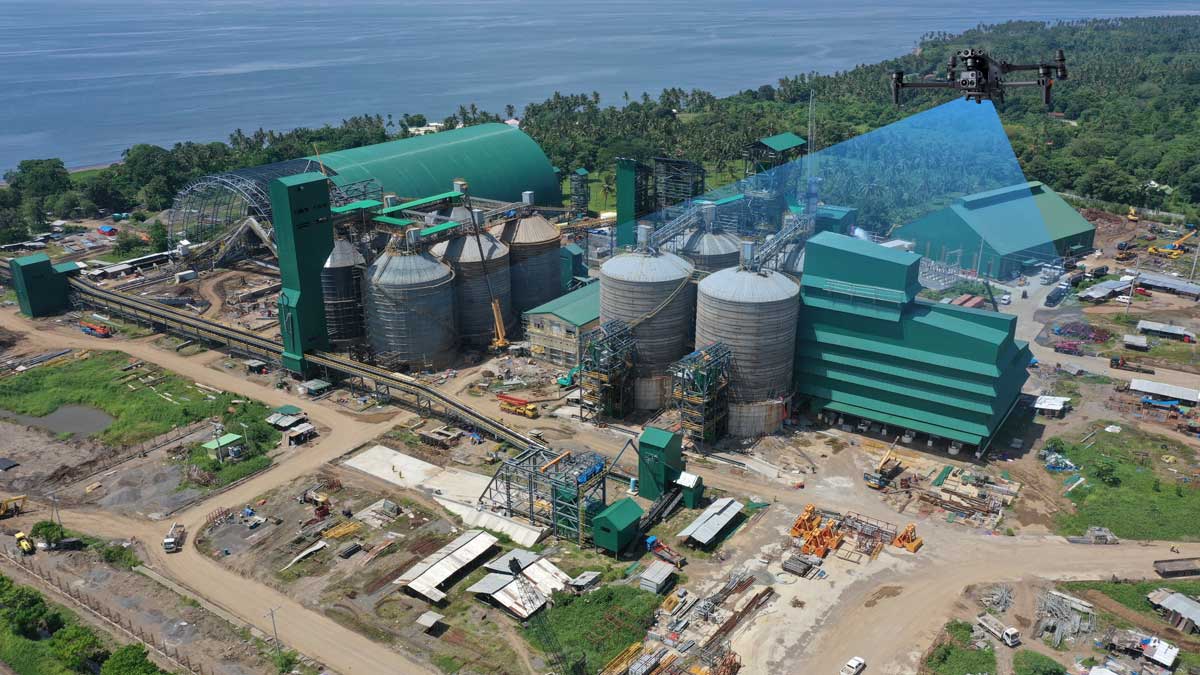
Centralized Control: Transforming Disparate Equipment into an “Intelligent System”
If unattended operation addresses the question of “how on-site equipment runs automatically,” then centralized control addresses “how the entire system is managed holistically.”
In traditional bulk material storage, equipment often operates in isolation, requiring operators to monitor multiple on-site locations. In contrast, a centralized control system integrates various processes—such as storage, conveying, feeding, dust removal, and metering—into a unified platform, enabling the centralized display of equipment status, process parameters, alarm notifications, and operational data.
Operators can monitor the entire bulk material system from a control center without needing to frequently visit the site. More importantly, centralized control establishes logical links between pieces of equipment. For instance, the material conveying system can automatically execute start-stop sequences based on the process workflow, preventing inefficient or unsafe operating states; if an upstream unit malfunctions, downstream equipment can respond promptly according to interlocking logic, thereby enhancing the operational stability of the entire system.
This shift from “single-machine automation” to “system-level automation” represents an important step toward intelligent bulk material storage.
What kind of bulk material storage does a digital factory require?
The core of a digital factory lies not merely in adding a few pieces of automated equipment, but in enabling the true flow of data throughout production and operational processes.
Within an intelligent bulk material storage system, equipment operating data, inventory data, energy consumption data, alarm data, and material flow data can all be transmitted through industrial networks to a unified data platform, establishing data connectivity with the production management system, energy management system, and enterprise information platform.
This transforms the bulk material warehouse from a simple “space for storing materials” into a vital data and production coordination node within the digital factory.
.jpg)
How can centralized control and intelligent management further enhance efficiency?
As enterprise production scales up, the volume of data generated by bulk material storage systems grows rapidly. Relying solely on manual monitoring of alarms and equipment status is no longer sufficient to meet the demands of refined management.
Intelligent management can build further data analysis capabilities on the basis of centralized control. For example, by analyzing historical equipment operating data, the system can identify equipment with frequent failures and detect abnormal operating trends. By analyzing material inflow and outflow data, it can optimize inventory turnover and logistics scheduling. By analyzing equipment operating hours and energy consumption, it can assist enterprises in developing more rational operating strategies.
At the same time, a unified data interface allows management personnel to shift their focus from individual pieces of equipment to the system as a whole.
While management focuses on production capacity, inventory, and operational efficiency, production staff monitor process status, and maintenance personnel track operating parameters and fault information; by leveraging a shared dataset, these different roles can collaborate effectively, thereby truly realizing centralized monitoring, unified scheduling, tiered management, and data sharing.
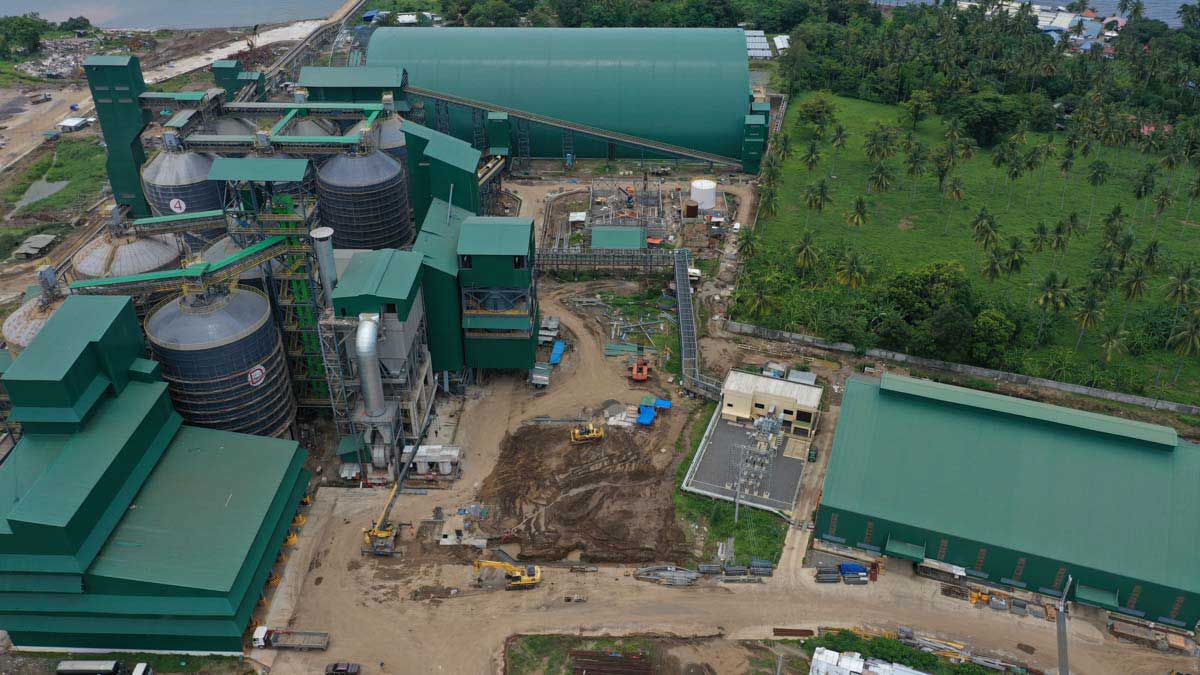
Unmanned operations + centralized control: an important direction for intelligent bulk material storage
Industrial bulk material storage is undergoing a systematic digital upgrade—transitioning from automated control to unmanned operations, from on-site manual handling to centralized control, and ultimately to data-driven intelligent management.
In the future, intelligent bulk material storage systems will move beyond mere “automated equipment operation” to achieve the integration of sensing, control, management, and analysis. On-site equipment handles data acquisition and execution; control systems manage automated decision-making and coordinated operations; centralized control centers oversee unified monitoring and scheduling; and digital platforms support enterprise operational analysis and management decision-making.
Ultimately, the value of unmanned operations and centralized control lies in helping enterprises build a bulk material storage system that is more stable, efficient, safe, and transparent.
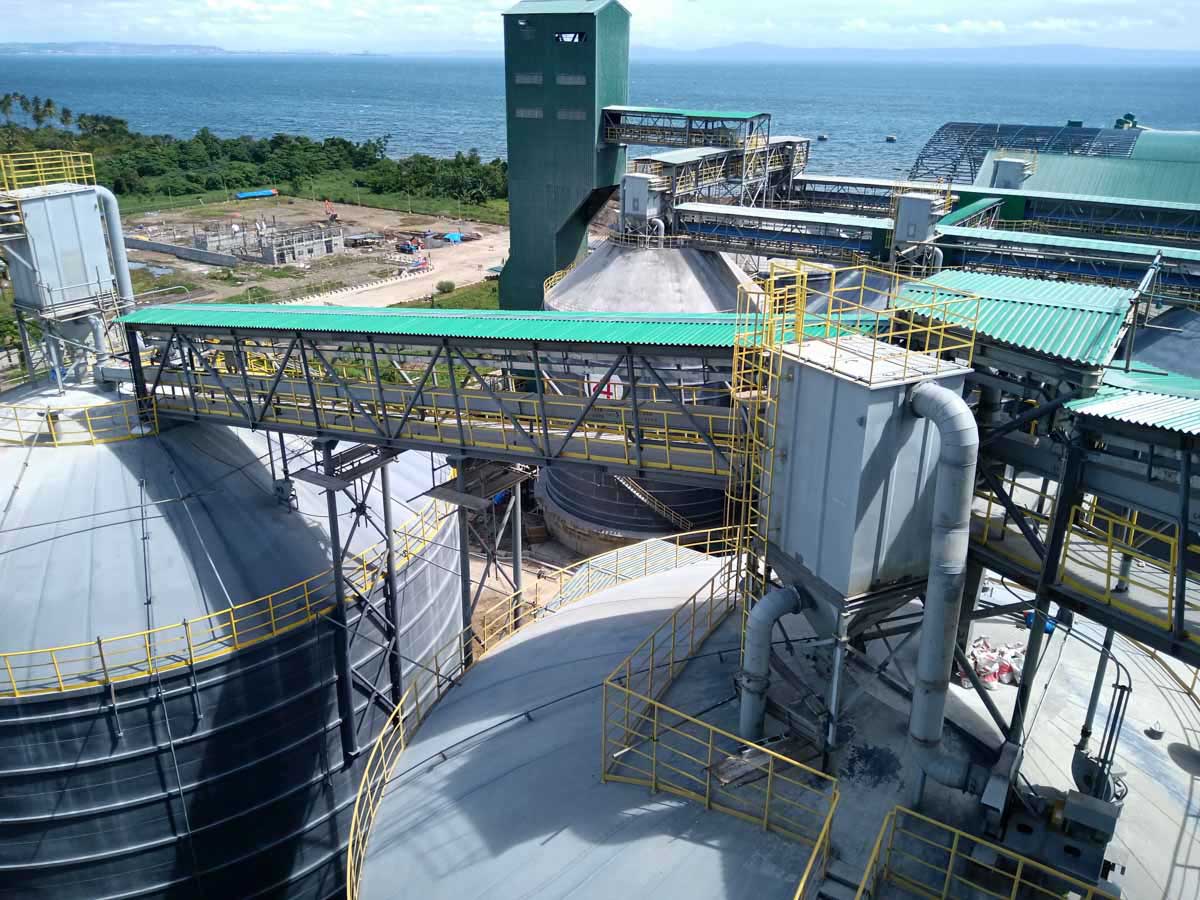
For industrial enterprises advancing the construction of digital factories, implementing an intelligent bulk material system represents not merely an equipment upgrade, but an evolution of warehousing management models and production organization methods. By deeply integrating unmanned operations, centralized control, and digital management, bulk material storage can transition from traditional manual management to a new stage characterized by autonomous system operation, centralized data management, and intelligent operational decision-making, providing reliable support for the enterprises to continuously enhance their automation capabilities and digital competitiveness.