




Welded Steel Silo or Concrete Silo: Which Is Better for Large Cement Storage Projects?
In the construction of large-scale cement production lines, grinding stations, mining building materials projects, and cement material storage bases, the storage system is an important link that affects production stability and operating costs. Faced with cement storage needs of tens of thousands or even hundreds of thousands of tons, project owners usually face a key choice:
Use welded steel silo or traditional concrete silo?
Both warehouse types have mature application experience. However, due to obvious differences in structural form, construction period, investment cost, maintenance methods and long-term operation effects, how to choose a more suitable solution according to project needs has become a key concern of many engineering construction units.
.jpg)
Key Characteristics of Welded Steel Silos and Concrete Silos
1. Welded Steel Silos: A Key Choice for Modern Large-Scale Cement Storage
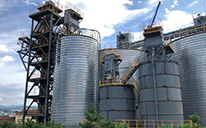
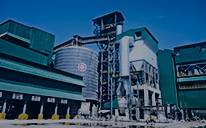
Welded steel silos are storage structures assembled and welded on-site using high-strength steel plates to form an integrated unit. Through precise design and professional manufacturing, they enable high-capacity, highly airtight cement storage.
Compared to traditional storage facilities, steel cement silos offer advantages such as lighter structural weight, faster construction speeds, and superior space utilization. They are widely used in large cement plants, fly ash storage projects, mineral powder storage systems, and bulk cement transfer hubs.
Their core strengths include: high structural strength to meet large-scale storage requirements; excellent sealing performance that effectively minimizes moisture-induced clumping; a high degree of factory-based design, making construction quality easier to control; and a short construction period, making them ideal for projects requiring rapid commissioning.
2. Concrete Silos: A Traditional Form of Large-Scale Storage
Concrete silos have long been utilized in the cement industry, representing a mature and reliable storage method. They primarily employ reinforced concrete structures, with the main body constructed via on-site casting.
The advantages of concrete silos include: strong structural stability; a long service life; excellent suitability for large, stationary storage facilities; and a wealth of traditional design experience.
However, as the pace of modern industrial project construction accelerates, concrete silos are increasingly facing challenges regarding construction timelines, investment flexibility, and future retrofitting.
.jpg)
Five Key Comparisons: Welded Steel Silos vs. Concrete Silos
1. Construction Period Comparison: Higher Efficiency for Steel Silos
Large-scale cement plant projects often demand tight construction schedules; the speed at which storage silos can be put into operation directly impacts the release of production capacity.
Concrete silo construction involves multiple stages—such as foundation work, rebar tying, formwork erection, concrete pouring, and curing—resulting in a lengthy construction period that is also susceptible to weather disruptions.
In contrast, welded steel silos utilize a modular design where steel plates are processed and then welded together on-site, making the construction process more streamlined and efficient.
For projects of comparable scale:
Welded steel silos typically have shorter construction periods and require less on-site “wet work,” making them ideal for new builds or expansions with tight deadlines. For enterprises aiming to rapidly establish production capabilities, steel cement silos offer a distinct time advantage.
2. Investment Cost Comparison: Superior Overall Economic Value for Steel Silos
Silo construction requires considering not only the initial investment but also the total lifecycle cost.
Concrete silos require significant inputs of rebar, cement, formwork, and labor; the extended construction period also drives up overhead costs, such as equipment rental and on-site management.
Although welded steel silos require high-quality steel, their optimized structure and rapid construction efficiency effectively reduce foundation load requirements, on-site construction inputs, labor costs, and the financial burden associated with prolonged construction timelines.
Consequently, welded steel silos often deliver better overall economic benefits for large-scale cement storage projects.
3. Sealing Performance Comparison: Steel Silos Better Suited for Long-Term Cement Storage
Cement is a powdery material with strict storage environment requirements; moisture resistance, leak prevention, and contamination control are critical design parameters.
Over long-term operation, concrete silos may be affected by factors such as concrete shrinkage, cracking, and structural aging, necessitating regular inspections and maintenance of their sealing integrity.
Welded steel silos feature a continuously welded structure that ensures superior overall sealing, effectively minimizing:
Ingress of external moisture;
Risk of cement dampness;
Issues with dust leakage.
Welded steel silos offer clear advantages for cement products requiring long-term storage and high-quality protection.
4. Space Utilization and Expansion Capability Comparison
As the cement industry moves toward larger-scale operations, enterprises are increasingly focused on land-use efficiency and the need for future capacity expansion. Concrete silos are typically fixed structures, offering limited flexibility for modification once constructed.
In contrast, welded steel silos offer greater design flexibility, allowing for:
capacity optimization;
adjustment of silo height;
multi-silo layout configurations;
planning for future expansion.
For enterprises with limited land resources or plans to increase production capacity in the future, the welded steel silo solution offers greater flexibility.
5. Comparison of Maintenance and Operational Management
Maintenance costs during long-term operation also impact an enterprise’s profitability.
Maintenance for concrete silos focuses primarily on structural cracks, waterproofing, and ensuring long-term durability.
For welded steel silos, the focus is on anti-corrosion inspections of the steel plates, maintenance of weld integrity, and safety inspections of the silo structure.
With proper design, anti-corrosion treatment, and standardized maintenance, welded steel silos can maintain stable, long-term operation.
| Comparison dimensions | Welded steel silo | Concrete silo |
|---|---|---|
| Construction period | Modular design, efficient installation and welding, short construction period; less affected by weather. | Involves numerous steps (rebar tying, formwork erection, concrete pouring, and curing) and a long cycle; significantly constrained by weather conditions. |
| Investment cost | Steel entails high material costs, but it imposes a lighter load on the foundation, allows for rapid construction, requires less labor and capital tie-up, and offers favorable overall economic efficiency. | High investment in materials and labor, a long construction period, and relatively high overall costs. |
| Sealing performance | Features a continuously welded structure with excellent overall sealing integrity, offering superior resistance to moisture, leaks, and dust. | Prone to shrinkage and cracking with long-term use; the seal requires periodic maintenance. |
| Space Utilization and Expansion | Flexible design with adjustable height and capacity. | Fixed structure; limited scope for spatial adjustments after completion. |
| Post-implementation maintenance | Focus inspections on anti-corrosion measures, weld seams, and safety checks; ensure adherence to maintenance standards and stable operation. | Attention must be paid to cracks, waterproofing, and durability, with maintenance focusing primarily on structural repair. |
How do you choose based on project type?
Scenario 1: New large-scale cement production line
If the project aims for rapid construction and early commissioning, while also requiring substantial storage capacity, welded steel silos are generally the superior choice.
They offer fast construction speeds and effective investment control, aligning well with the demands of modern cement plant construction.
Scenario 2: Large-scale, permanent storage facilities
For traditional storage projects where land is plentiful and construction timelines are relatively flexible, both welded steel silos and concrete silos are viable options.
However, future maintenance costs and operational requirements must be comprehensively considered.
Scenario 3: Expansion or renovation projects
In situations where space within the existing plant is limited, welded steel silos are better suited for expansion or renovation projects due to their optimized footprint and construction flexibility.
.jpg)
When selecting a cement storage solution, one should not focus solely on the initial price.
Large-scale cement storage projects represent long-term investments; the choice of silo type affects not only construction costs but also operational efficiency for decades to come.
A simple comparison of initial costs may overlook factors such as:
differences in returns resulting from construction timelines;
long-term maintenance costs;
assurance of stored material quality;
the enterprise’s future expansion needs.
Therefore, a scientifically sound selection requires a comprehensive assessment that considers project scale, material characteristics, site conditions, investment budget, and future development plans.
.jpg)
Professional solutions for large-scale steel cement silos—enhancing storage efficiency and reliability.
For large-scale cement storage projects, welded steel silos are increasingly becoming the preferred storage solution for cement enterprises, thanks to their high-strength structure, excellent sealing performance, rapid construction capabilities, and superior overall cost-effectiveness.
If you are currently planning:
1. Construction of large-scale steel cement silos;
2. Design of cement storage facilities with capacities of tens of thousands of tons;
3. Expansion of storage systems for cement plants; or
4. Construction of logistics bases for bulk cement;
We recommend a professional design approach tailored to your specific operational requirements.
.jpg)
Our expert team provides integrated solutions—spanning conceptual design, structural calculations, and installation—tailored to storage capacity needs, site conditions, and production process requirements, helping enterprises minimize investment risks and maximize long-term project returns.
Selecting the right storage solution is a strategic move that paves the way for future production efficiency and optimized operating costs. We invite you to consult with us on professional steel silo designs and receive project recommendations customized to your needs.